
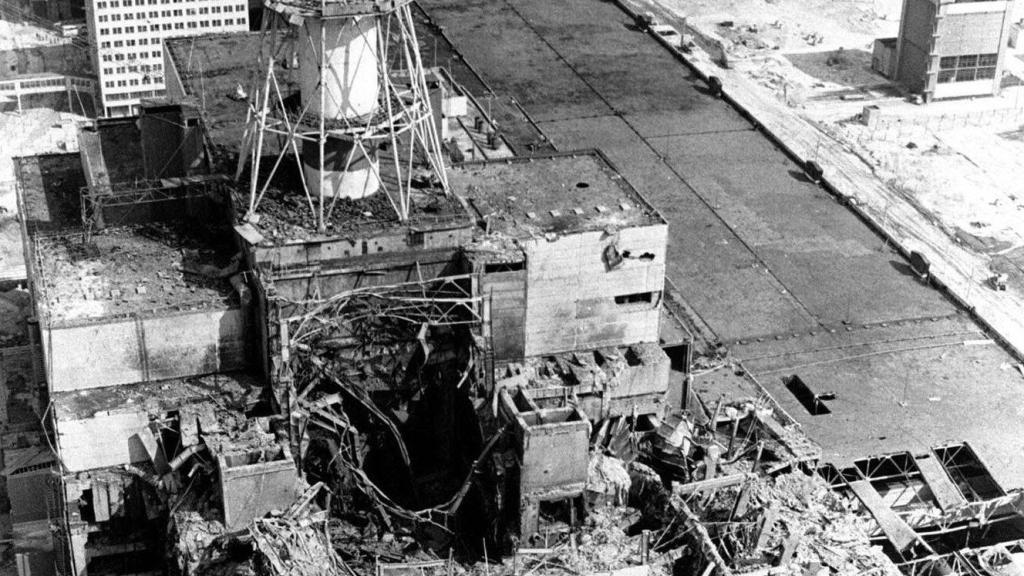
Chernobyl 40 Year Anniversary April 2026: firefighters were essential in containing multiple fires at the reactor site
Thank you for choosing Automatic Translation. Currently we are offering translations from English into French and German, with more translation languages to be added in the near future. Please be aware that these translations are generated by a third party AI software service. While we have found that the translations are mostly correct, they may not be perfect in every case. To ensure the information you read is correct, please refer to the original article in English. If you find an error in a translation which you would like to bring to our attention, it would help us greatly if you let us know. We can correct any text or section, once we are aware of it. Please do not hesitate to contact our webmaster to let us know of any translation errors.
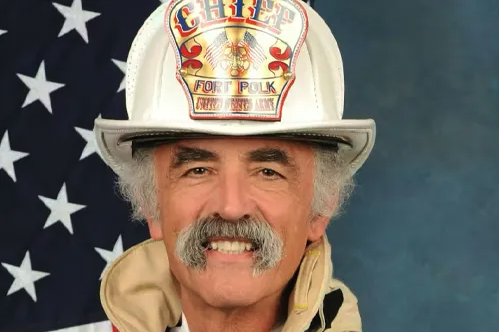
As the 40th anniversary of the Chernobyl nuclear disaster approaches, author and firefighter Michael L. Kuk is highlighting the pivotal role played by Soviet firefighters in preventing a larger, more catastrophic outcome.
In a recent article published by the Vernon Parish Journal, Kuk emphasizes the critical nature of the emergency response 40 years ago, noting that the firefighters' immediate and courageous actions were essential in containing multiple fires at the reactor site. The effort successfully averted a potential escalation that could have caused far greater devastation.
The piece serves as a solemn tribute to the first responders, many of whom paid the ultimate price. Kuk notes that a significant number of these individuals perished shortly after the incident, while others succumbed to long-term health complications stemming from radiation exposure in the years that followed.
Kuk, an experienced author and a lifetime member of the International Association of Fire Chiefs, originally authored the piece for Firehouse.com.
"The response of first-due firefighters at the Chernobyl Nuclear Power Plant disaster centered on strategies and tactics for industrial fires and accidents. The Russian National Fire Headquarters was caught in a situaton that was totally unknown and uncharted. Whether firefighers were wearing protective clothing or not, the nuclear-based fire attacked their body", Kuk writes.
The article for the 20th Anniversary still holds up
Already in 2026, Firehouse.com published the article Chernobyl: 20 Years Later, with a lot of technical information about the nuclear plant. This article is also worth reading.
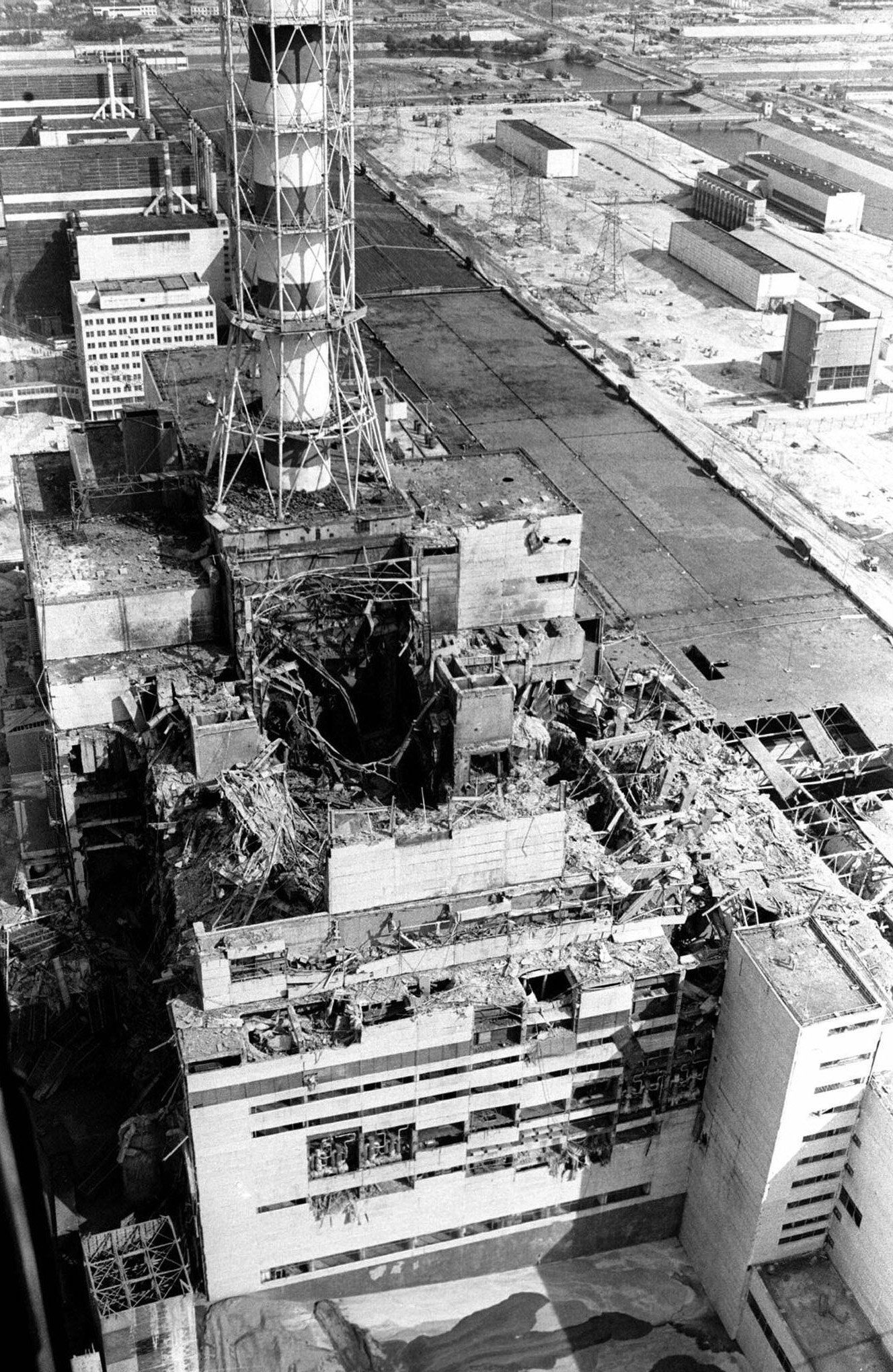
In the article published by Firehouse, Kuk reflects on the events of April 26, 1986, examining the catastrophic explosion of Reactor 4 and its subsequent environmental and health impacts. The piece delves into the critical failures that led to the incident and the enormous challenges faced by emergency responders in the immediate aftermath.
Kuk uses the 20-year milestone to challenge the emergency management and fire service communities to reflect on their preparedness for large-scale radiological events. The article emphasizes that the Chernobyl experience remains a vital case study for understanding global nuclear safety, the limitations of disaster response protocols, and the persistent health consequences for affected populations and recovery workers.
Historical Photos: Chernobyl, Ukraine, 1986
Copyright: IAEA Imagebank. Wikipedia: https://en.wikipedia.org/wiki/Chernobyl_disaster#/media/File:IAEA_02790015_(561…
.jpg)
Photo Credit: USFCRFC. Historical collections of the Chernobyl accident from the Ukrainian Society for Friendship and Cultural Relations with Foreign Countries (USFCRFC).
- CC BY-SA 2.0
- File:IAEA 02790015 (5613115146).jpg
Further Reading:
https://en.wikipedia.org/wiki/Chernobyl_disaster