
Meeting of the Fire Statistics Center - Autumn 2026
Thank you for choosing Automatic Translation. Currently we are offering translations from English into French and German, with more translation languages to be added in the near future. Please be aware that these translations are generated by a third party AI software service. While we have found that the translations are mostly correct, they may not be perfect in every case. To ensure the information you read is correct, please refer to the original article in English. If you find an error in a translation which you would like to bring to our attention, it would help us greatly if you let us know. We can correct any text or section, once we are aware of it. Please do not hesitate to contact our webmaster to let us know of any translation errors.
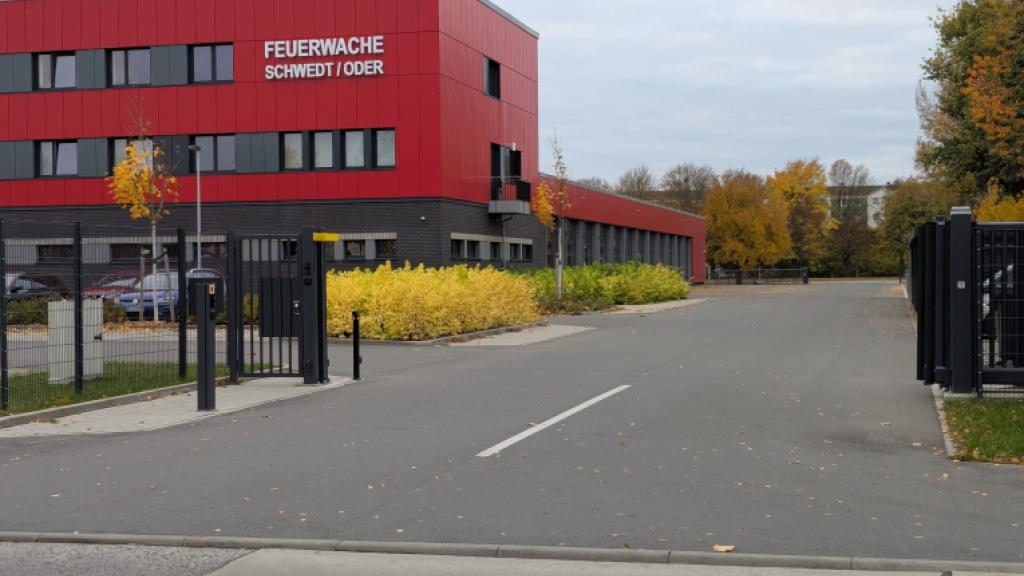
This autumn, the Center for Fire Statistics held its quarterly meeting in Schwedt. With an area of about 360 sq.km, Schwedt (Oder) is one of Germany's largest municipalities. About 33,600 people live in the city. Schwedt was first mentioned in a document in 1265. The city experienced its most difficult period during WWII: 85 percent of the city was destroyed. Today, the PCK refinery dominates the city's economy. This industrial company accounts for about 10 percent of Germany's oil-processing capacity. Furthermore, it operates Europe's first bioethanol plant. Ethanol is obtained from rye, and biomethane has been produced from straw since 2014. The city of Schwedt (Oder) maintains a volunteer fire brigade with full-time staff to fight damaging fires and assist in accidents and public emergencies caused by natural events, explosions, or similar incidents. Only seven full-time firefighters are on duty around the clock. This means that fire protection and assistance are mainly provided by approximately 400 volunteer firefighters.
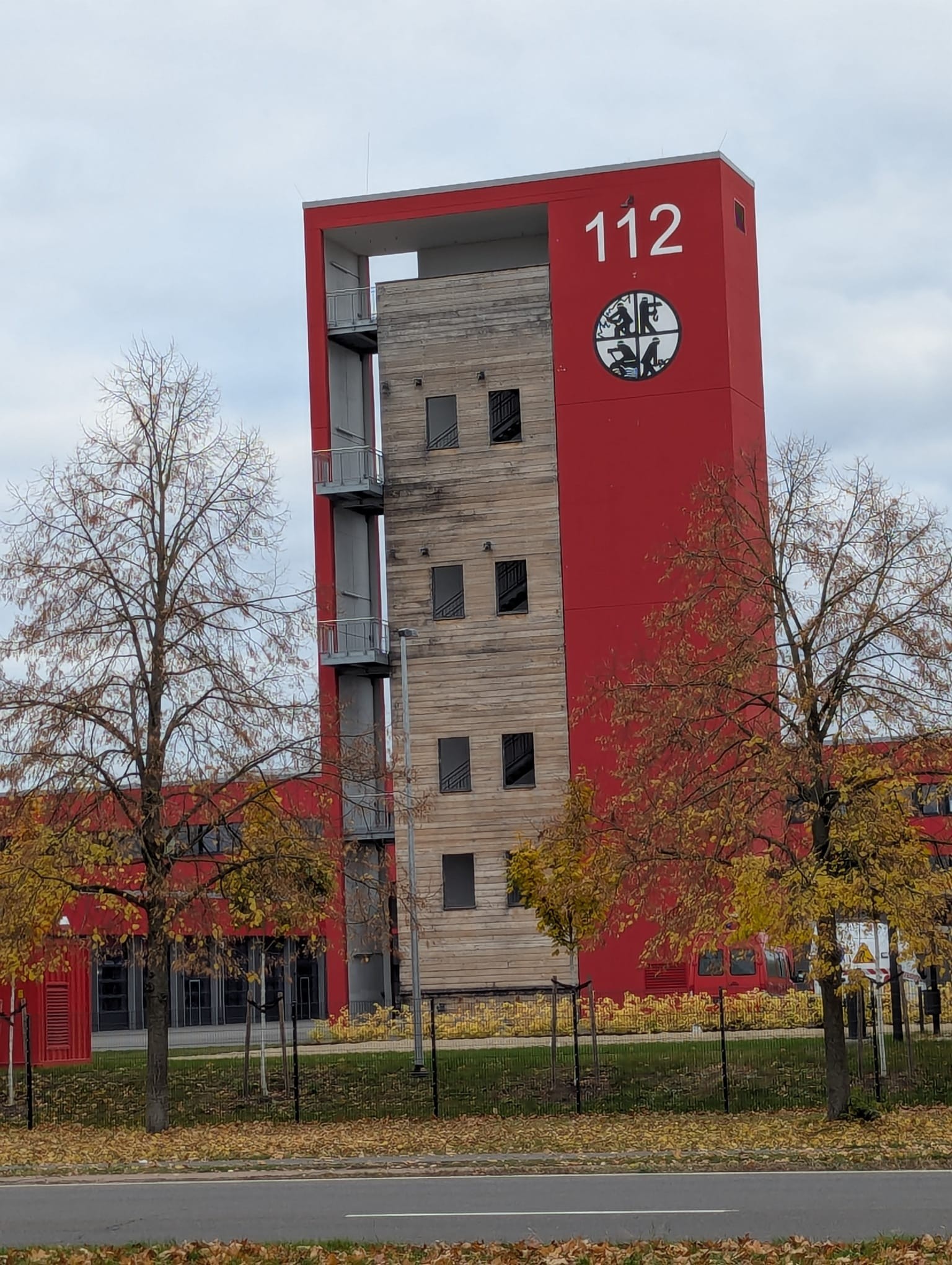
From January to November 2026, there had been about 670 operations, about 80 of which were fires. In 1880, the first volunteer fire brigade was founded in Schwedt (Oder). Over the following years, the tasks and requirements for volunteer firefighters changed. In 2025, the new central fire station building (see photos) was inaugurated.
Under that background the CTIF Center for Fire Statistics meeting emphasized the importance of personnel availability, especially among volunteer firefighters, as well as firefighting and technical assistance. Furthermore, possibilities for analyzing fires in hotels, discotheques, or nightclubs were discussed. In June 2024, the CTIF Firefighters Health Commission reported on Best Practices for Preventing Firefighter Cancer. In most countries, the focus is on minimizing exposure to cancer-causing carcinogens from fires. Meanwhile, many Member States have developed their own prevention strategies.
The CTIF Fire Statistics Center team discussed whether to include a special report on this topic in the next World Fire Brigade Statistics report. A survey of all Member States is to be prepared. Interested persons, institutions, or states can contact the CTIF Fire Statistics Center team for comments or suggestions.