
Housing crisis pushes people to live in campers and RVs: BC chiefs warn of fire and explosion risks in long term residency
Thank you for choosing Automatic Translation. Currently we are offering translations from English into French and German, with more translation languages to be added in the near future. Please be aware that these translations are generated by a third party AI software service. While we have found that the translations are mostly correct, they may not be perfect in every case. To ensure the information you read is correct, please refer to the original article in English. If you find an error in a translation which you would like to bring to our attention, it would help us greatly if you let us know. We can correct any text or section, once we are aware of it. Please do not hesitate to contact our webmaster to let us know of any translation errors.
A recent fatal RV fire in Nanaimo, BC has prompted renewed warnings from fire officials about the rising dangers facing people living in temporary or makeshift housing — a trend increasingly linked to climate pressures, housing shortages, and aging infrastructure, as reported by the CBC and other news outlets.
According to the CBC report, firefighters were called to a burning RV in the Comox Valley region after neighbours saw flames engulfing the vehicle in December 2025. Crews found one person dead inside.
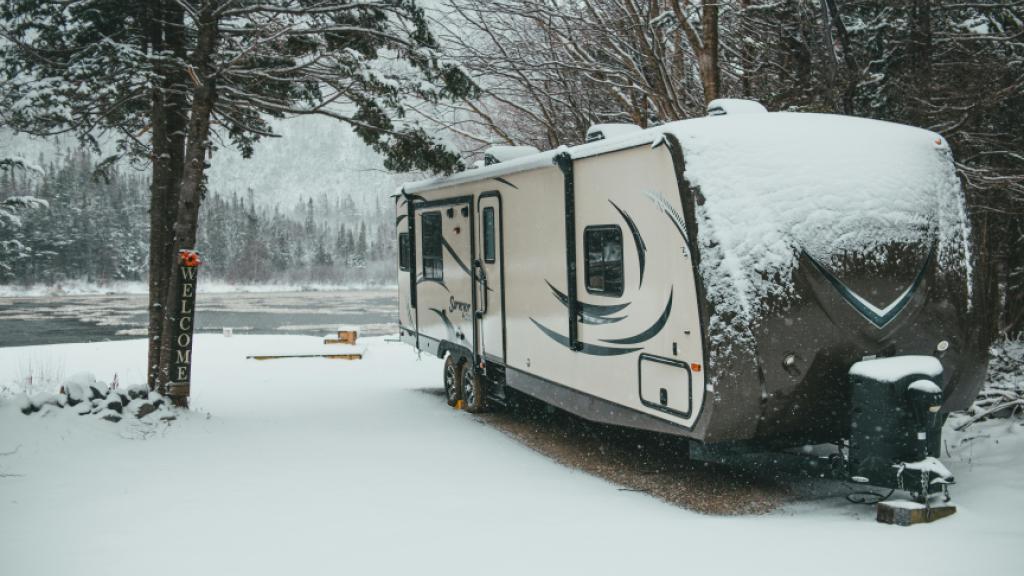
Photo Credit: Creative Commons License by Erik Mclean / downloaded as a free photo from Pexels.com.
THE PHOTO AND THE RV DEPICTED IS NOT CONNECTED TO THIS STORY other than as a generic illustration of a camper in a cold season environment.
Investigators say the fire spread rapidly, and officials have since urged residents living in RVs, trailers, and converted vehicles to check smoke alarms, heating systems, and electrical setups, noting that many units are not designed for long‑term habitation.
Local fire departments in British Columbia say they are seeing more fires in RVs, sheds, and improvised structures, driven by a combination of extreme weather, rising living costs, and a lack of affordable housing. Warmer winters and colder cold snaps — both intensified by climate change — are pushing people to rely on unsafe heating sources such as propane heaters, extension cords, and makeshift stoves.
As one Canadian fire official put it, the Nanaimo fire is “a heartbreaking reminder that vulnerable housing and extreme weather are a dangerous combination.”
DISCLAIMER:
THE ABOVE PHOTO AND THE RV DEPICTED IS NOT CONNECTED TO THIS STORY other than as a generic illustration of a camper in a cold season environment
Photo Credit: Creative Commons License by Erik Mclean / downloaded as a free photo from Pexels.com.